The Pain Point
For e-commerce designers, one of the biggest frustrations is text on banners.
Using Midjourney for promotional images before — text was basically gibberish, or looked like "alien writing." Using Stable Diffusion with ControlNet + text rendering plugins —折腾半天 (fussed around for a long time), results were still average.
Then GPT Image 2 came out, claiming "99% accuracy in Chinese text rendering."
My first reaction: Really?
After 8 tests: GPT Image 2 is genuinely better at "text on e-commerce images" than previous AI tools. But "99% accuracy" is still an overstatement. It's more like 80-90%.
Case 01: Promotional Banner
618 Sale E-commerce Banner

What worked: Banner generated. Red background with gold 618 atmosphere correct. Main title "618 Mid-Year Sale" text rendered accurately, no gibberish. Subtitle also rendered correctly.
What didn't work: Countdown "03 Days 12 Hours" position slightly off, not at visual focal point. Gift boxes and ribbons feel like free stock素材 (materials) pasted together.
Conclusion: Promotional banner generation: GPT Image 2 produces "usable drafts." Text accuracy is a qualitative leap. Visual impact and material quality still need designer optimization.
Case 02: Product Hero Image
Wireless Earbuds Product Photo
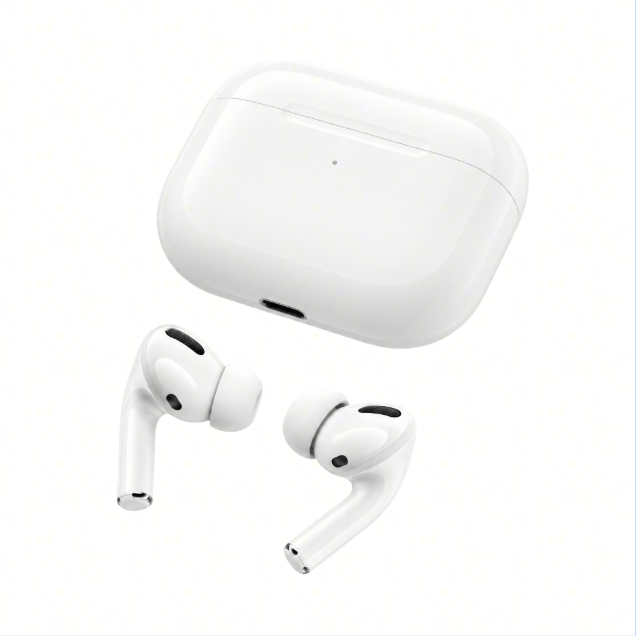
What worked: Earbuds generated. White background, 45-degree top-down angle, has "e-commerce product photo" feel.
What didn't work: Earbud detail precision insufficient — enlarged to 1024x1024, edges are slightly blurry. "Professional lighting" AI interpreted as "overall bright," not real product photography lighting setup. If placed alongside real photos on Taobao/JD product pages, AI-generated version would show.
Conclusion: Product hero image generation: good for "temporary placeholder" or "inspiration reference." For official e-commerce pages, still need real photography or high-quality 3D rendering.
Case 03: Promotional Poster
"50% Off Limited Time" Poster with Model + Product
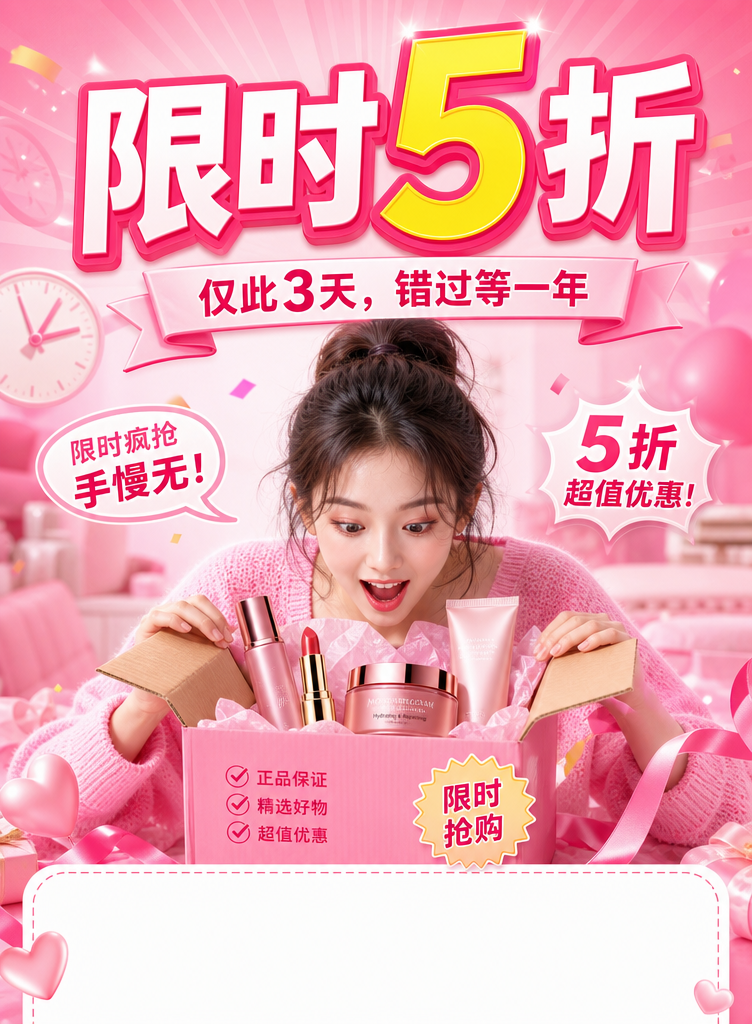
What worked: Poster generated. Person, product, title all present. "50% Off" text rendered accurately. Pink atmosphere correct.
Conclusion: Promotional poster generation: good for "social media sharing images" (WeChat Moments, Xiaohongshu). Text accurate, visual atmosphere on point. For offline print posters, precision still not enough.
Case 04: Lifestyle Scene Image
Coffee Cup on Nordic Desk

What worked: Scene image generated. Coffee mug, Nordic desk, potted plants — all present. Lighting and atmosphere feel good. Truly has "lifestyle e-commerce" refined sense.
Conclusion: Product lifestyle scene generation: one of the most practical GPT Image 2 e-commerce use cases. Quickly generates "product in life context" atmosphere images, much cheaper than real photography. For series images, need multiple generations to pick the best.
Case 05: Model Outfit Swap
AI-Powered Model Outfit Change
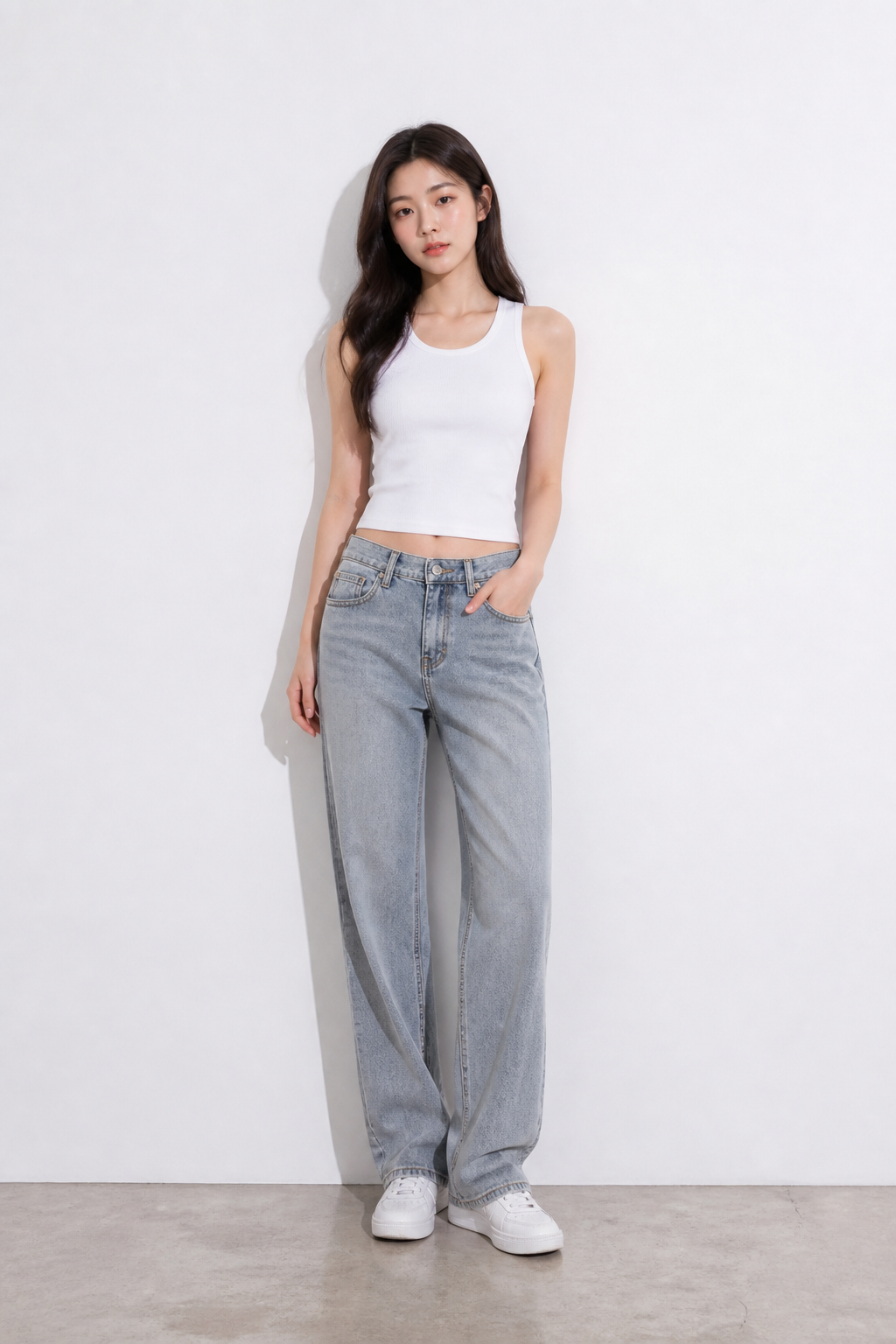
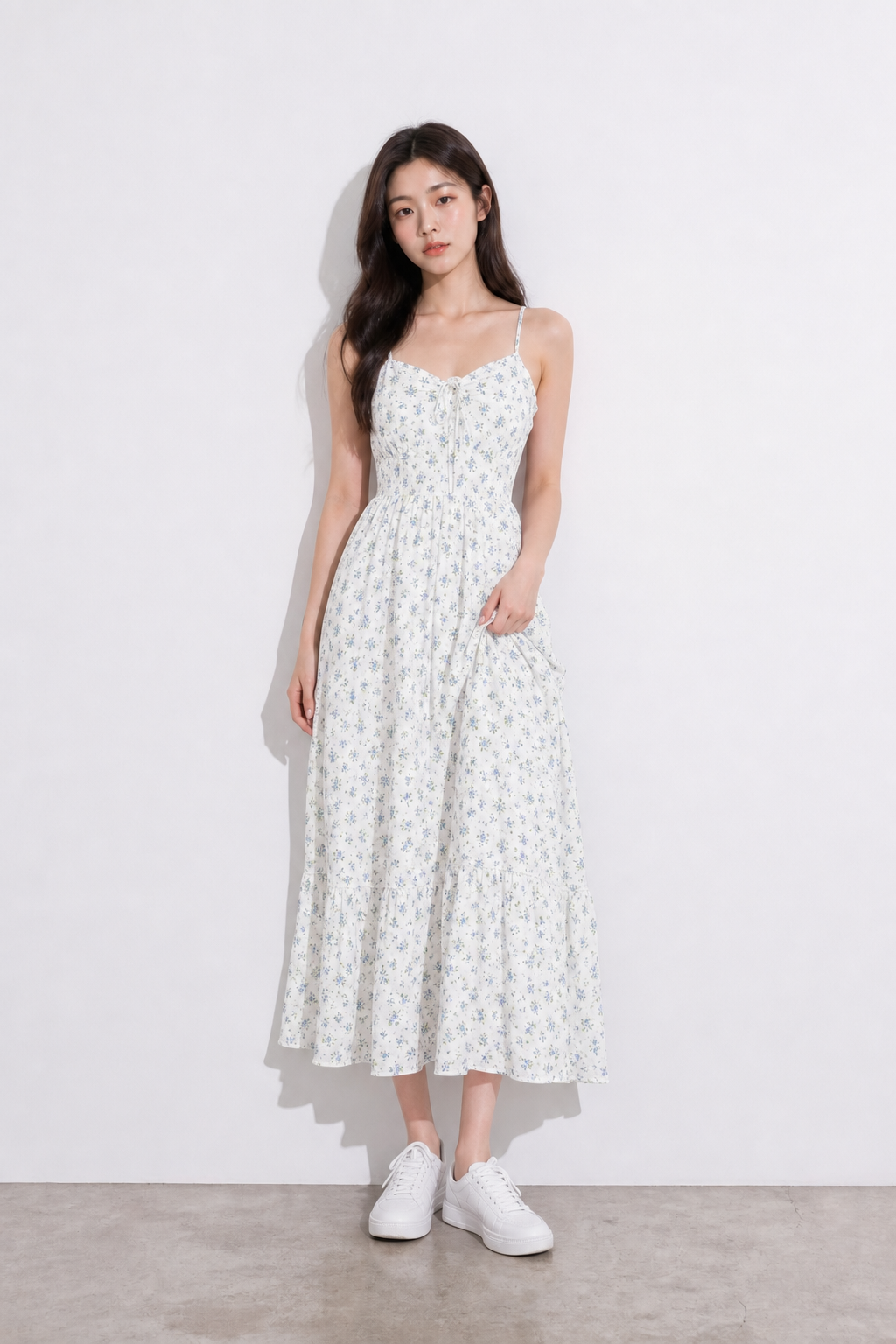
What worked: Outfit change effect generated. Model wearing floral dress.
What didn't work: Outfit swap: cannot achieve "precise partial editing" yet. GPT Image 2's inpainting capability still has a gap compared to professional image editing tools (like Photoshop's Generative Fill).
Conclusion: Model outfit swap: good for "roughly change outfit" creative exploration, not for "precise outfit change."
Case 06: Multi-Product Layout
Skincare Set Display
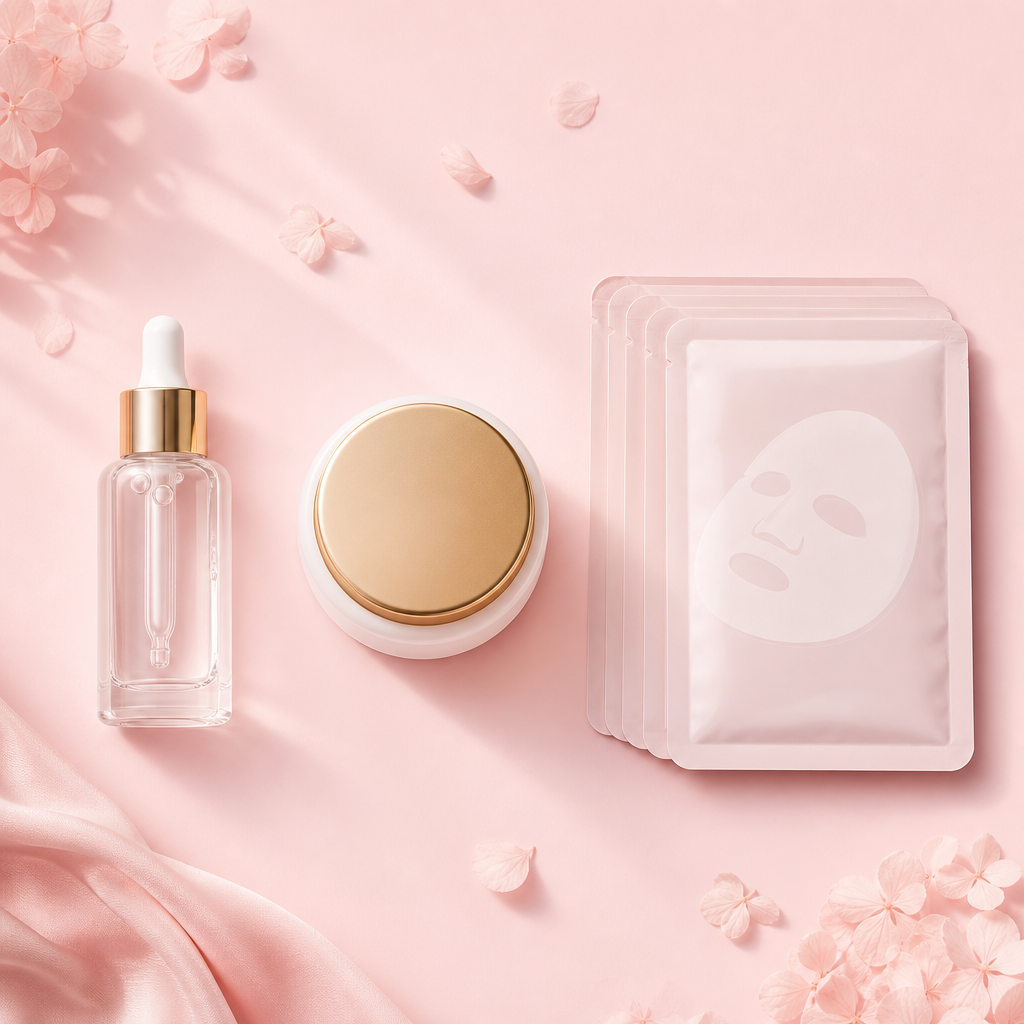
What worked: All 3 products generated. Neatly arranged, top-down angle correct.
Conclusion: Multi-product layout: good for "set display inspiration reference." For official e-commerce pages, recommend real photography + post-production finishing.
Case 07: User Review Style Image
Lipstick Swatch "User Review" Style
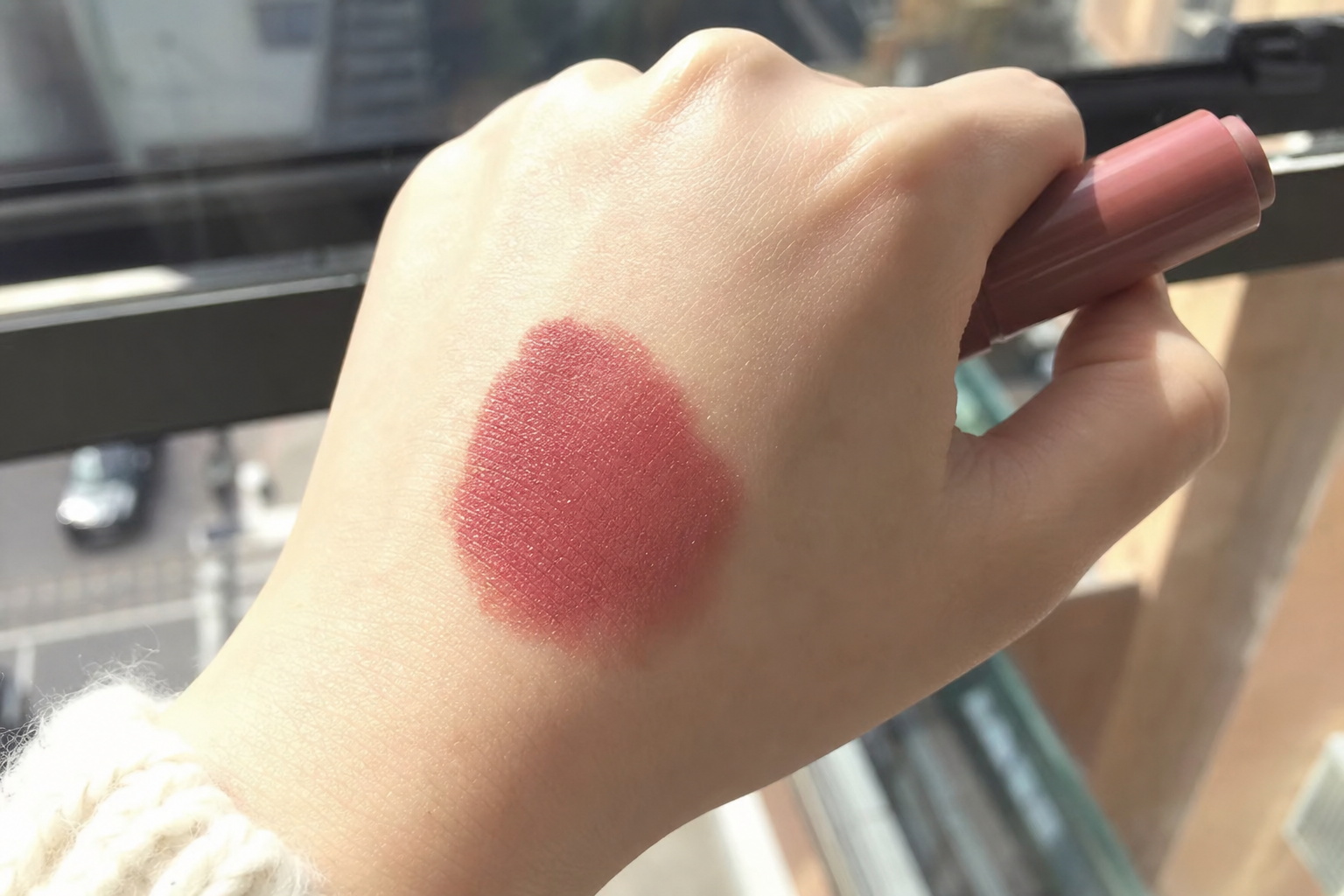
What worked: Swatch photo generated. Back of hand, lipstick, natural light — skin texture and quality hard to distinguish from real.
Conclusion: User review style generation: good for "review section image reference," or "what our product looks like when users review." Risk in using directly as "real user swatch photo."
Case 08: Brand Story Long Image
"From Coffee Bean to Cup" Brand Story
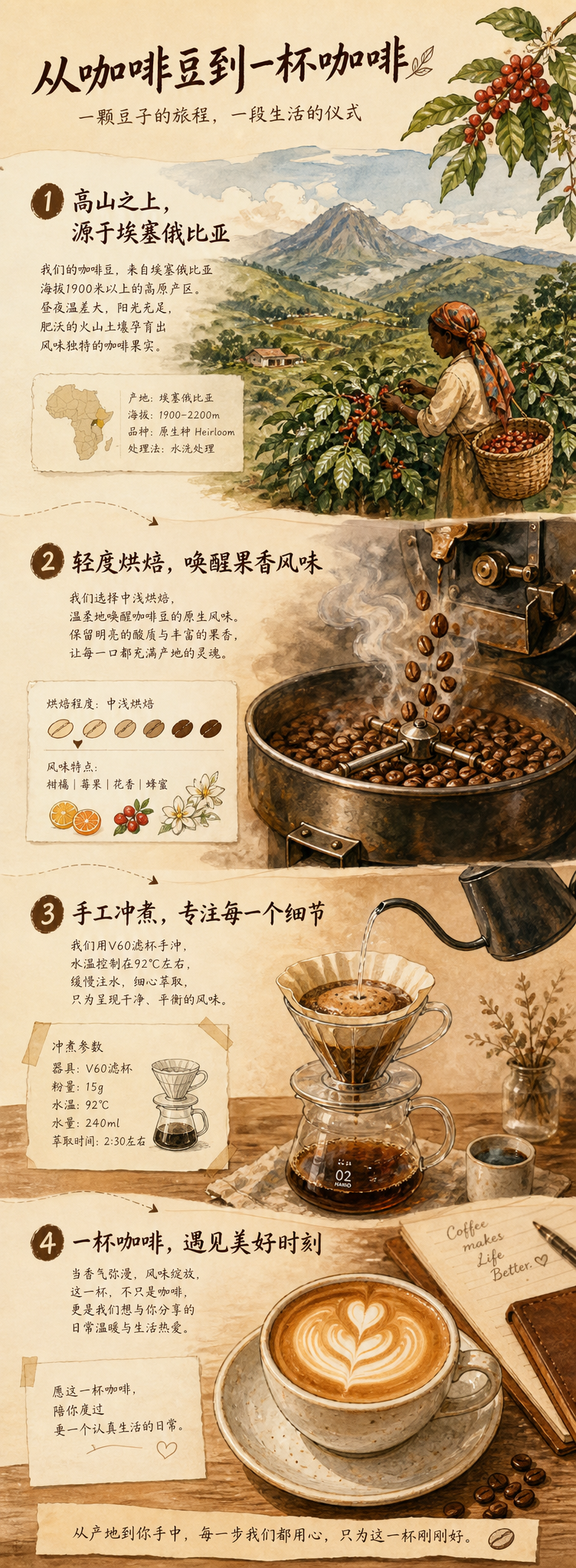
What worked: Brand story long-image generated. All 4 sections present. Hand-drawn style correct.
Conclusion: Brand story long-image generation: GPT Image 2's most promising e-commerce direction. Quickly generates "narrative e-commerce content," much cheaper than hiring illustrators. But consistency control still needs optimization.
The Verdict
GPT Image 2 can replace part of "junior e-commerce designer" work, but cannot replace "brand-aware, senior designers."
Junior designer work — placing product images in scenes, adding promotional text, adjusting colors — GPT Image 2 can score 60-70%.
But what senior designers do — "brand sense," "narrative quality," "consistent visual language" — GPT Image 2 is still far behind.
My recommendation: Use GPT Image 2 for rapid e-commerce image drafts and inspiration → Senior designer reviews brand sense and quality → If necessary, supplement key images with real photography or 3D rendering.
Summary Table
| Case | Type | Rating | Best Use |
|---|---|---|---|
| 01 | Promotional Banner | 4/5 | Text accurate, good for drafts |
| 02 | Product Hero | 3/5 | Good for placeholders; real photos for official use |
| 03 | Promotional Poster | 4/5 | Social media sharing images, works well |
| 04 | Lifestyle Scene | 5/5 | Most practical scenario, low cost |
| 05 | Model Outfit Swap | 2/5 | Precision not enough, good for creative exploration |
| 06 | Multi-Product Layout | 3/5 | Inspiration reference; needs finishing for official use |
| 07 | Review Style | 3/5 | Simulates user reviews; don't use as real photos |
| 08 | Brand Story | 4/5 | Most promising direction, worth deeper exploration |